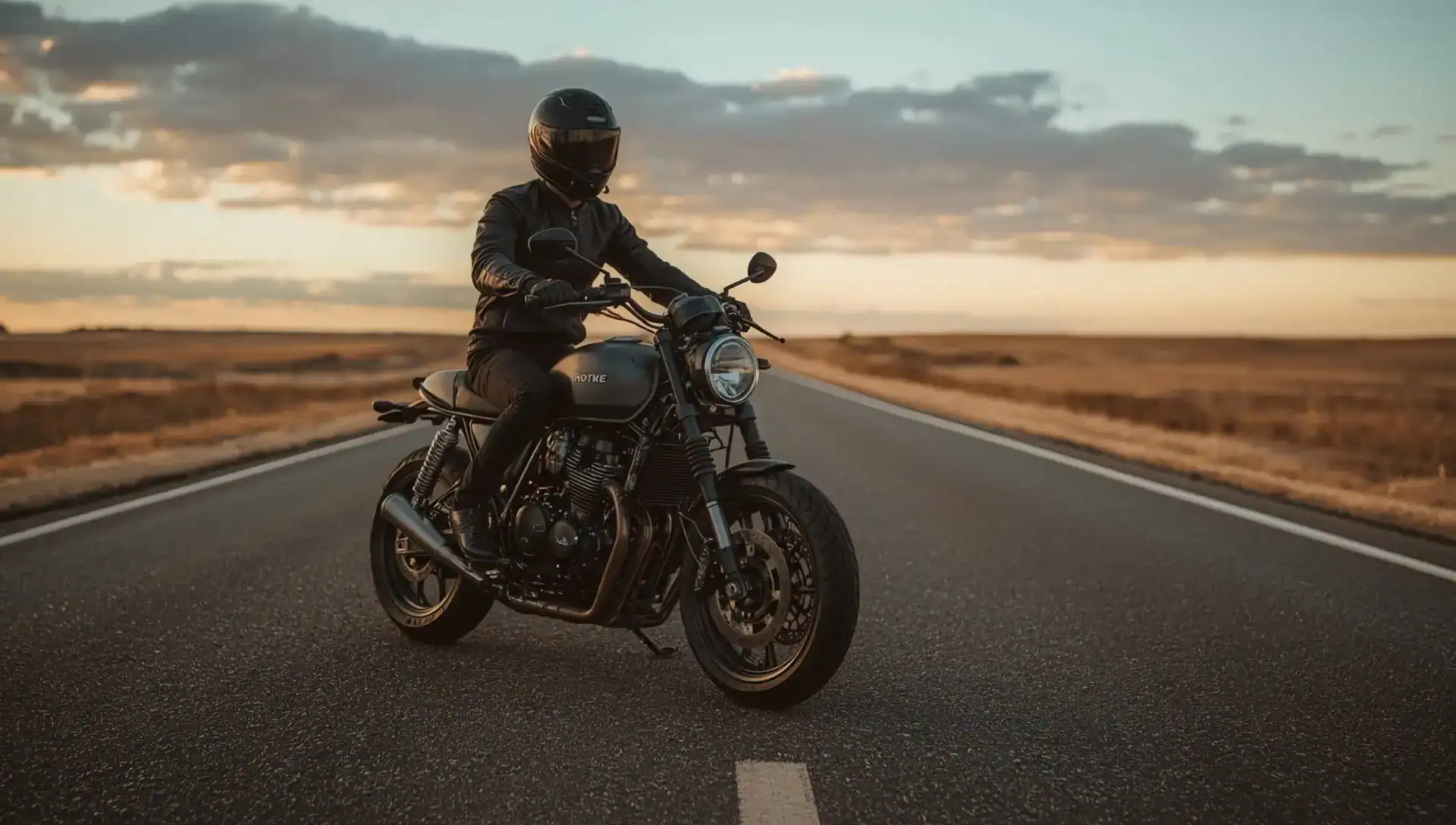
How to Ride a Bike: Step-by-Step for First-Time Riders
Learning how to ride a bike feels like a big deal at first. Most new riders feel nervous before their first ride, and that is totally okay. The truth is, riding a motorcycle is way less complicated than it looks. Anyone can pick it up with the right steps.
This guide breaks down bike riding in a simple, step-by-step way. You will know exactly what to do, what to touch first, and how to get moving without second-guessing yourself.
What You Need Before You Even Start the Engine
Most new riders want to jump straight on the bike. But skipping this part is how people get hurt. Take five minutes to sort these two things first.
Pick the Right Bike for Your Size
A heavy, powerful bike is a bad idea for a first-time rider. Go for something light, with a low seat height, and under 600cc. You want a bike you can easily handle and put both feet flat on the ground.
Gear Up The Non-Negotiables
You need a DOT-certified helmet, riding jacket with armor, gloves, sturdy ankle-covering boots, and riding pants. This is not optional. Regular jeans and sneakers will not protect you if you go down.
Get to Know Your Controls First
Before you fire up the engine, spend two minutes learning where everything is. You do not want to be figuring this out while the bike is moving.
Right Side vs. Left Side: What Does What
Your right hand controls the throttle and the front brake lever. Twist the throttle back to give it gas. Squeeze the front brake lever to slow down. Your left hand controls the clutch lever. Pull it in to disconnect power from the wheel. Your left foot operates the gear shifter. Your right foot operates the rear brake pedal.
Front Brake vs. Rear Brake: Don’t Mix These Up
The front brake is the lever on your right handlebar. The rear brake is the pedal near your right foot. The front brake gives you most of your stopping power. Always use both together and squeeze the front brake smoothly. Grabbing it too hard can make the front wheel lock up.
How to Start a Motorcycle (Without Killing It)
A lot of new riders kill it on their very first attempt. It happens to everyone. The good news is that starting a bike correctly takes about ten seconds once you know the steps.
First, make sure the bike is in neutral. You will see a green “N” light on your dashboard. Raise the kickstand before anything else. Most modern bikes will not start with it down. Turn the ignition key to the on position and set the kill switch to “Run.” Now pull the clutch lever all the way in and press the start button. Your engine should fire right up.
Let the engine warm up for a minute before you ride. Do not twist the throttle while it is warming up. Just let it idle. Once it sounds smooth and steady, you are ready to move.
How to Move: Finding the Friction Zone
The friction zone is the spot in your clutch lever where the engine starts connecting to the rear wheel. It is not fully in, and it is not fully out. It is the sweet spot right in the middle. This is the one thing most new riders struggle with the most. Master this and everything else gets easier.
Clutch Out, Throttle In: The Balance Game
Pull the clutch all the way in and shift into first gear. Now slowly start releasing the clutch. At some point you will feel the bike want to creep forward. That is your friction zone. Right when you feel that, gently roll on a little throttle with your right hand. The key word is gently.
Too much throttle and the bike lurches forward. Too little and it stalls. You want both inputs working together at the same time, slow and smooth. Practice this in an empty parking lot until it feels natural.
What to Do When You Stall (It’s Gonna Happen)
Every single rider has stalled a bike. It is not a big deal. When it happens, squeeze the clutch lever in immediately, pull in both brakes, and put your feet down. Then take a breath, shift back to neutral, restart the engine, and go again. Stalling means you are learning. The only fix is more practice.
How to Shift Gears on a Motorcycle
Most bikes have a one down, five up gear pattern. First gear is one click down with your left foot. Neutral sits halfway between first and second. Second through sixth gear are each one click up. That is the pattern on almost every manual bike out there.
The Right Way to Shift Up
Roll off the throttle slightly and pull the clutch lever all the way in with your left hand. Click the gear shifter up once with your left foot. Then smoothly release the clutch while rolling the throttle back on. Do all of this in one smooth motion. The whole thing takes less than a second once your muscle memory kicks in.
The Right Way to Shift Down
Roll off the throttle, pull the clutch in, and click the shifter down with your left foot. Release the clutch smoothly and match your throttle to your speed. Always downshift as you slow down so the bike stays in the right gear for your pace.
The Mistake Most New Bike Riders Make
New riders almost always release the clutch too fast after a shift. That causes the bike to jerk. Take your time with the release. A slow, smooth clutch out makes every gear change feel clean and controlled.
Turning and Braking: The Stuff That Trips People Up
New riders expect turning a bike to feel like turning a car. It does not work that way.
How to Turn Your Bike at Speed
Once you get above 12 mph, push the handlebar in the direction you want to go. Push the right handlebar forward and the bike leans right. Push left and it leans left. That is countersteering. You are probably already doing it without realizing it. Keep the pressure gentle and let the bike do its thing.
Where to Look When You Corner
Always look through the corner toward the exit, not at the road directly in front of you. The bike goes where your eyes go. Turn your head early and your bike will naturally follow the right line through the turn.
Slow Down Before the Corner, Not During It
Always brake before you enter a corner. Once you are leaned over, stay off the brakes. Braking mid-corner can cause the front wheel to lose grip fast. Set your speed before the turn and keep a steady throttle through it.
How to Brake the Right Way
Use both brakes together every time. Squeeze the front brake lever smoothly with your right hand and press the rear brake pedal with your right foot at the same time. Never grab the front brake hard. A sudden grab can lock the front wheel and drop the bike instantly.
Common Mistakes New Riders Make (and How to Skip Them)
Every new rider makes mistakes. That is just part of learning. But some mistakes are way more common than others. Knowing them ahead of time saves you a lot of frustration on the road.
Releasing the Clutch Too Fast
This is the number one reason new riders stall or lurch forward. Your clutch release needs to be slow and smooth every single time. Rushing it is what causes the jerky takeoffs most beginners experience in their first few rides.
Only Using One Brake
A lot of new riders rely on just the rear brake. That is a bad habit to build. The front brake gives you the most stopping power. Always use both together for a controlled, safe stop every time.
Looking Down Instead of Ahead
New riders tend to stare at the road right in front of the wheel. Keep your eyes up and look far ahead. Where your eyes go, the bike goes. This matters even more when you are going into a turn.
Riding a Bike That Is Too Powerful
Starting on a heavy or high-powered bike is one of the most common mistakes beginners make. A lighter bike under 600cc gives you room to build confidence without feeling overwhelmed.
Skipping Gear at Low Speeds
Riding in too high a gear at slow speeds makes the engine struggle and stall. Always match your gear to your speed. When you slow down, downshift. Keep the bike in the right gear for how fast you are going.
Quick Pre-Ride Checklist for New Bike Riders
Before you fire up the engine, run through these real quick:
- Helmet and gear on before you touch the bike
- Kickstand up before you start
- Kill switch set to Run
- Bike in neutral before starting
- Both mirrors adjusted and clear
- Tires look good, no visible issues
Save this checklist. Use it every single ride until it becomes second nature.